Will Trade Candy for Wine SVG Cut File Review
As a designer who has spent years translating digital graphics into tangible stitched goods, I approach every new asset with a mix of excitement and skepticism. The market is flooded with Graphics that look stunning on a screen but fall apart under the needle. Today, I am evaluating the Will Trade Candy for Wine SVG Cut File. At first glance, this design taps into a very specific, relatable mood: the playful tension between sweet indulgences and adult vices. It is a theme that resonates deeply with my clients, particularly those looking for humorous gifts or boutique apparel. But does it translate well from a vector file to a finished handmade product? Let’s dive into the practical realities of using this design in real-world embroidery projects.
First Impressions and Design Personality
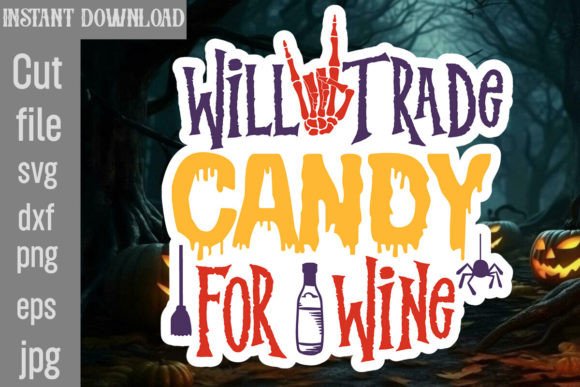
When I opened the preview for Will Trade Candy for Wine SVG Cut File, the visual personality was immediately clear. It is bold, slightly cheeky, and relies heavily on typography paired with iconic iconography. For an embroidery project, the layout is crucial. The text needs to be legible at a distance, while the candy and wine elements must remain recognizable without becoming muddy blobs of thread. The design feels like it belongs on casual wear or home decor where a touch of humor is welcome. It screams "gift" rather than "corporate branding," which dictates how I would approach the stitching plan.
The file structure provided is standard for the industry: a .zip containing SVG, DXF, EPS, and PNG formats. While these are essential for cutting machines like Cricut and Silhouette, as an embroiderer, my focus shifts to how the vector lines will convert into stitch paths. The clean lines of the machine embroidery design suggest it should digitize well, provided the lettering isn't too thin. In Crafts, the devil is often in the details, and here, the balance between the font weight and the icon size determines whether the final piece looks professional or amateurish.
Real-World Application: The Custom Tote Bag Scenario
To truly test this asset, I imagined a specific scenario: creating a limited run of custom tote bags for a local boutique shop owner. The client wanted something fun for their holiday sale. I envisioned placing the Will Trade Candy for Wine SVG Cut File on a sturdy canvas tote. This fabric choice is ideal because it holds up well under high stitch density and doesn't pucker easily. The design's message fits perfectly with a lifestyle product; customers carrying this bag make a statement before they even open it.
In this context, the tote bag design benefits from the contrast between the white canvas and vibrant thread colors. Imagine using a deep burgundy for the wine glass and a bright pink or orange for the candy. The fill stitch areas would need to be dense enough to cover the canvas texture but not so heavy that the bag becomes stiff. If I were selling this as a small shop product, the quality of the stitch work would directly influence customer trust. A sloppy execution of such a popular phrase could damage the brand's reputation, whereas a crisp, clean finish elevates the perceived value of the item.
Navigating Fabric Challenges and Hoop Constraints
Not every application is as forgiving as a canvas tote. When considering sweatshirt embroidery or custom apparel made from fleece or jersey, the rules change. Stretchy fabrics require careful attention to stabilizer usage. If you hoop a sweatshirt with the Will Trade Candy for Wine SVG Cut File without proper backing, the tension of the machine can distort the text, making the phrase unreadable. Similarly, on dark fabrics, the lack of a built-in underlay in the raw file means you might need to add one digitally to ensure the colors pop.
Another critical factor is the hoop size. This design contains both text and imagery, which can push the boundaries of a small 4x4 inch hoop. If the design is forced into a tight space, the running stitch outlining the letters might become too compressed, leading to thread breakage or uneven spacing. For items like caps or hats, the curved surface adds another layer of complexity. The bottom curve of the wine glass or the rounded edges of the candy might get distorted if the digitization doesn't account for the cap's shape. In these cases, breaking the design into smaller segments or opting for an embroidered patch applied later might be a smarter strategy.
Practical Designer Notes for Success
Before committing to a production run, I always recommend a rigorous testing phase. Here are my top notes for anyone planning to use Will Trade Candy for Wine SVG Cut File:
- Test on Scrap Fabric First: Never skip the test stitch. Use the same fabric type you intend for the final product to check for puckering and registration issues.
- Check Thread Color Contrast: Ensure the colors chosen provide enough contrast against the background material. Low contrast can make the text hard to read, ruining the joke.
- Review Stitch Density: Look closely at the fill areas. If the density is too high, it creates a plastic-like feel; too low, and the fabric shows through.
- Inspect Small Details: Zoom in on the corners of the wine glass and the wrapper of the candy. These are common failure points where threads can tangle.
- Mockup in Black and White: Before buying thread, visualize the design in grayscale to see if the values distinguish the different elements clearly.
- Verify Licensing: As an Etsy seller or digital product seller, confirm whether the license allows you to sell finished goods or if it is restricted to personal use only.
Visual Appeal and Commercial Viability
The ultimate goal of any digital embroidery file is to create a finished product that sells itself. The Will Trade Candy for Wine SVG Cut File has strong potential for holiday embroidery and personalized gifts. Its humor makes it highly shareable on social media, which is a massive driver for craft business growth. However, the visual appeal hinges entirely on the execution. A well-stitched version enhances the brand consistency of a maker, signaling professionalism and attention to detail.
For those creating baby embroidery or nursery decor, this design might be less suitable due to the wine reference, unless used ironically for a parent's gift. It is a prime example of why understanding your audience is just as important as the technical skills of digitizing. In the realm of commercial embroidery, designs that tell a story or evoke a feeling tend to outperform generic patterns. This file succeeds in evoking a feeling of fun and relaxation, making it a strong contender for personalized products targeting adults.
Final Verdict for Makers and Entrepreneurs
In conclusion, Will Trade Candy for Wine SVG Cut File is a versatile asset that can elevate your design assets library if used correctly. It is not a "set it and forget it" file; it requires thoughtful consideration of fabric, stabilizer, and placement. Whether you are producing a single personalized gift or stocking shelves for a craft fair, the success of this project lies in the preparation. By respecting the limitations of the medium and leveraging the strengths of the design, you can turn a simple vector graphic into a high-quality, sought-after item. Remember, the best Graphics in the world cannot save poor technique, but great technique can make a good design shine.