Thankful Blessed and Pumpkin Obsessed Review
As a designer who has spent years translating digital files into tangible thread, I approach every new asset with a critical eye. The market is flooded with generic Graphics, but finding a piece that truly translates well from screen to stitch is rare. Today, I am evaluating the Thankful Blessed and Pumpkin Obsessed design. This isn't just about how it looks in a preview; it is about how it performs when you load it into your machine, hoop it up, and hand it over to a customer expecting a premium handmade product.
The First Impression: Mood and Composition
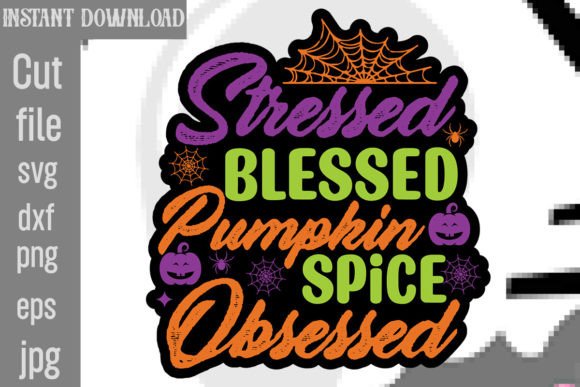
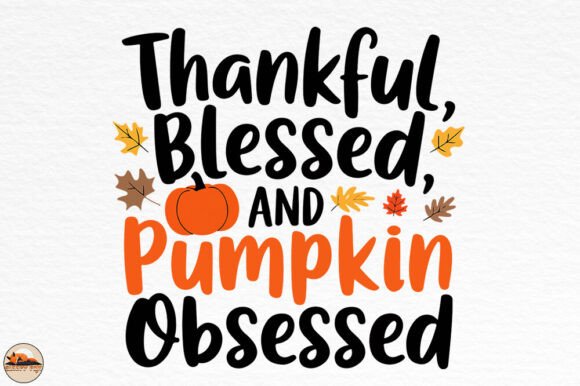
When I first opened the machine embroidery design file for Thankful Blessed and Pumpkin Obsessed, the visual personality was immediately clear. It leans heavily into the cozy, rustic aesthetic that defines modern Thanksgiving decor. The typography appears bold enough to remain legible even at smaller scales, while the pumpkin elements suggest a playful yet grounded vibe. For an Etsy seller or boutique owner, this kind of mood-setting is crucial. It tells a story before a single stitch is pulled.
In the realm of Crafts, the balance between text and imagery often makes or breaks a project. Here, the layout feels intentional. The phrase "Pumpkin Obsessed" adds a touch of humor that resonates well with current trends, making it a strong candidate for custom apparel aimed at families or young adults. However, as a reviewer, my immediate concern is always whether the digital promise holds up under the scrutiny of real-world stitching.
Real-World Application: From File to Fabric
Let's imagine a specific scenario: You are preparing a run of personalized tote bags for a local craft fair. You need something that pops against canvas but doesn't overwhelm the wearer. If I were using Thankful Blessed and Pumpkin Obsessed for this tote bag design, I would focus on the placement. Centered on the front panel, the design offers a balanced look that draws the eye without looking cluttered.
Now, consider a sweatshirt embroidery project. Holiday items are high-volume sellers, but they also require durability. When I visualize this design on a heavy cotton blend, the potential for a rich fill stitch in the pumpkin areas becomes apparent. The contrast between the warm orange tones and a neutral heather grey sweatshirt would be striking. For a small shop product, this level of visual appeal directly correlates to perceived value. Customers want to see a finished product that looks professional, not like a rushed job.
I also see significant potential for baby embroidery. A simple onesie or a soft hooded towel featuring a scaled-down version of this motif could be a delightful personalized gift. The theme of being "thankful" fits perfectly with newborn announcements or family gatherings. In these cases, the softness of the thread colors needs to match the gentle nature of the fabric, ensuring the design feels integrated rather than slapped on.
Navigating Technical Challenges
While the concept is strong, practical application requires caution. As with any complex embroidery file, there are pitfalls to avoid. First, consider the hoop size. If the design includes intricate details in the pumpkin stems or leaf veins, shrinking it too much for a 4x4 hoop can lead to registration issues where stitches overlap poorly. Always check the maximum dimensions recommended by the file provider.
Fabric texture is another critical factor. On a smooth poplin shirt, Thankful Blessed and Pumpkin Obsessed will likely render beautifully. However, on textured fabrics like fleece or chunky knits, the needle may struggle to penetrate consistently, leading to puckering. In these instances, a high-quality stabilizer is non-negotiable. You might even need to use a cut-away stabilizer instead of tear-away to support the weight of the thread over time.
Furthermore, be wary of dense stitch areas. If the pumpkin sections are filled with a very tight pattern, the resulting patch could feel stiff. This is particularly important for caps or curved surfaces where flexibility is key. If the design is too rigid, it will distort the shape of the hat or make the garment uncomfortable. Always test the design on scrap fabric first to gauge the stiffness and adjust the stitch density if your software allows.
Enhancing Visual Appeal and Brand Trust
For a commercial embroidery business, consistency is the currency of trust. When a customer buys a finished product featuring Thankful Blessed and Pumpkin Obsessed, they are investing in your reputation. If the lettering is fuzzy or the pumpkin outline is jagged, it reflects poorly on your craftsmanship. Therefore, taking the time to review the digital embroidery file thoroughly is essential.
I recommend creating a printable mockup in black and white to inspect the line weights and spacing. Sometimes, what looks fine in color on a bright screen reveals gaps or overlaps when stripped down to its structural components. This step ensures that the running stitch outlines are secure and the satin stitch columns are properly spaced to prevent bird nesting.
Color selection also plays a massive role in the final presentation. While the default palette might be standard autumn hues, don't be afraid to experiment. Using a deep burgundy for the pumpkins against a cream background can elevate the design from "cute" to "chic," appealing to a more sophisticated demographic. This attention to detail separates a hobbyist from a professional craft business.
Designer Notes for Success
To get the most out of Thankful Blessed and Pumpkin Obsessed, follow these practical steps:
- Test on Scrap Fabric: Never skip the test run. Stitch it out on the exact material you plan to use to check for tension issues and fabric distortion.
- Verify Licensing: Before selling finished items or offering this as a digital product, confirm the license terms. Ensure you have the right to sell physical goods made with this design.
- Check Thread Contrast: Ensure the thread colors provide enough contrast against your chosen fabric so the text remains readable.
- Inspect Small Details: Zoom in on the file to ensure tiny letters or thin lines won't disappear once stitched.
- Use Proper Stabilizer: Match the stabilizer type to the fabric weight to prevent shifting during the embroidery process.
- Compare Light and Dark Backgrounds: Test how the design looks on both light and dark fabrics to determine if you need to add a backing layer or change the thread sequence.
Ultimately, Thankful Blessed and Pumpkin Obsessed offers a versatile foundation for a variety of holiday projects. Whether you are creating an embroidered patch for a jacket, decorating a kitchen towel, or producing a limited-run collection for your online store, the success lies in your execution. By respecting the technical requirements of machine embroidery and focusing on quality control, you can turn this digital asset into a standout piece that customers will love and cherish.