Santa's Workshop Making Children Happy Review
As a designer who has spent years turning digital files into tangible, stitched goods, I approach every new machine embroidery design with a mix of excitement and skepticism. The market is flooded with generic holiday assets, so finding a piece that truly resonates with the vintage aesthetic while holding up under the needle is rare. When I first opened the file for Santa's Workshop Making Children Happy, my immediate goal was to determine if this graphic could survive the transition from screen to fabric without losing its charm. This isn't just about downloading an embroidery file; it is about understanding how the design behaves in a real-world craft business environment.
The First Impression: Vintage Charm Meets Practicality
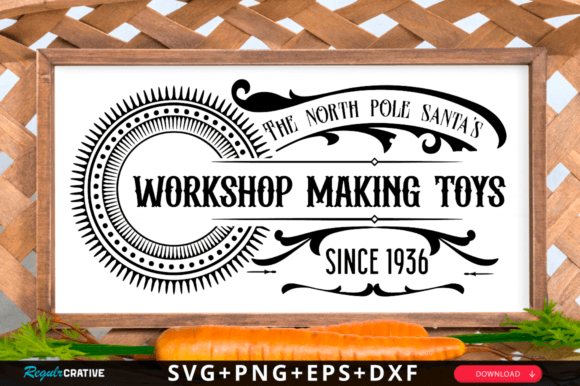
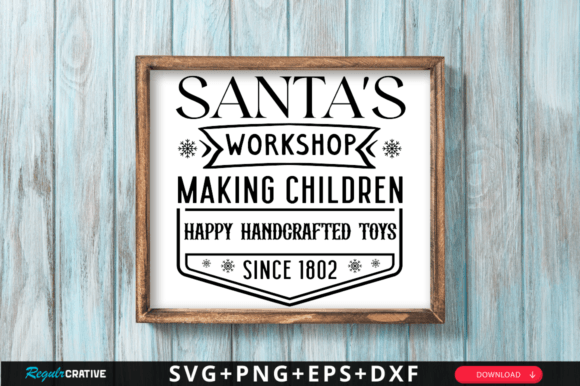
The visual personality of Santa's Workshop Making Children Happy is immediately striking. It leans heavily into the nostalgic, hand-drawn style that defines the current wave of vintage Christmas decor. The layout suggests a sign or a badge, which gives it a contained, professional look suitable for branding. Unlike many overly complex designs that rely on tiny details lost in translation, this piece balances text and imagery effectively. The mood is warm and inviting, perfectly capturing the essence of the season without feeling cluttered.
For an Etsy seller or a small shop owner looking to create a cohesive collection, this design stands out because it feels like a finished product rather than a raw asset. The lines appear bold enough to suggest they will hold up well in a fill stitch, while the curves hint at opportunities for smooth satin stitch borders. However, before committing to production, I always analyze the stroke weight and spacing. In this case, the design seems robust, but the specific rendering depends entirely on how the digitizer has handled the conversion from SVG to stitch data.
Real-World Application: From Tote Bags to Holiday Gifts
To truly evaluate Santa's Workshop Making Children Happy, I imagined using it on a heavy-weight canvas tote bag, a staple item for any custom apparel decorator. The vintage sign motif works exceptionally well here, offering a large, flat surface area where the design can breathe. Imagine stitching this onto a natural-colored bag; the contrast would be sharp, and the message "Making Children Happy" would serve as a delightful conversation starter at a craft fair.
I also considered its potential as a personalized gift. Picture a cozy flannel shirt or a knit sweater for a family member. Placing this design on the back of a sweatshirt creates a statement piece that feels both handmade and high-quality. The nostalgia factor is a powerful driver for sales during the holidays. Parents often seek unique baby embroidery items, and while the theme is festive, the wholesome message makes it appropriate for nursery decor or holiday outfits for young children. The design's versatility allows it to function as a holiday embroidery centerpiece on pillow covers or kitchen towels, adding a touch of seasonal cheer to home goods.
For those running a commercial embroidery operation, the ability to scale this design is key. If you are producing merchandise for a boutique, consistency is everything. This graphic offers a distinct identity that can help differentiate your brand from competitors selling mass-produced, generic Santa Claus images. It elevates the perceived value of the finished product, allowing you to charge a premium for the craftsmanship and unique aesthetic.
Navigating Challenges: Fabric, Density, and Detail
While the design looks promising, experienced designers know that not all fabrics are created equal. There are specific scenarios where Santa's Workshop Making Children Happy requires careful handling. For instance, if you plan to use this on thin or stretchy fabric like jersey knit, the stitch density becomes a critical factor. Too much fill can cause puckering, ruining the drape of the garment. You must ensure the digitization includes adequate underlay to support the top stitches without distorting the material.
Textured fabrics present another hurdle. On a thick fleece or a rough wool blend, fine details might get lost in the pile. Before starting a full run, I strongly advise testing the design on scrap fabric that matches your final project's texture. Check how the thread colors interact with the background. A dark fabric might require a lighter outline or a different color palette to ensure the text remains legible. Similarly, curved surfaces like caps demand a different approach. The arched nature of the hat panel can distort the rectangular shape of a sign-style design, so you may need to adjust the hoop placement or resize the design to fit the curve naturally.
Another consideration is the longevity of the item. Products that undergo frequent washing, such as aprons or tea towels, need durable stitching. Ensure that the running stitch elements used for outlines are tight enough to prevent fraying over time. If the design includes very small lettering, verify that the font size remains readable after multiple wash cycles. Tiny details can blur or break if the machine tension isn't perfect, so a test run is non-negotiable.
Designer Notes for Professional Results
To maximize the potential of Santa's Workshop Making Children Happy, follow these practical steps before launching your project:
- Test on Scrap Fabric: Never skip the test stitch. Run the design on a piece of the actual fabric you intend to use to check for alignment, density, and thread breaks.
- Check Stabilizer Needs: Depending on the fabric weight, you may need a cut-away stabilizer for stretchy materials or a tear-away for stable cottons. Proper stabilization is the backbone of a clean embroidered patch or applique.
- Review Color Contrast: Experiment with different thread colors in your software mockup. Does the vintage look pop against a cream background? What about a deep forest green?
- Inspect Small Details: Zoom in on the digitized file. Are there any isolated stitches that might pull? Is the spacing between letters sufficient to avoid thread bunching?
- Verify Licensing: As a digital product seller or business owner, confirm the license terms. Can you sell the physical items you create? Are there restrictions on the number of units you can produce?
- Mockup Your Products: Use a printable mockup tool to visualize the design on various products before purchasing thread and fabric. This helps in creating compelling listings for your online shop.
Final Thoughts on Commercial Viability
In conclusion, Santa's Workshop Making Children Happy offers a strong foundation for creators looking to add a touch of vintage elegance to their holiday collections. Its clear lines and thematic strength make it a viable candidate for Graphics that translate well into Crafts. Whether you are a hobbyist making gifts for friends or a professional decorator fulfilling bulk orders, this design has the potential to enhance your portfolio. However, success lies in the execution. By paying attention to hoop size, fabric choice, and stabilizer application, you can ensure that the final result is as charming as the original concept.
Remember, the best design assets are those that empower you to create something unique. With careful planning and a keen eye for detail, Santa's Workshop Making Children Happy can become a standout item in your shop, bringing joy to customers and validating your reputation as a skilled artisan.