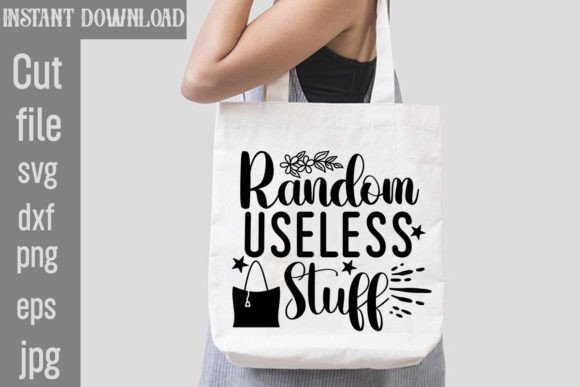
Random Useless Stuff SVG Cut File Review
As a designer who has spent years translating digital graphics into tangible thread and fabric, I approach every new asset with a critical eye. When I first opened the Random Useless Stuff SVG Cut File, my initial reaction was a mix of amusement and professional curiosity. The title itself suggests a playful, perhaps ironic aesthetic that is increasingly popular in the handmade market. However, for an embroidery project, a name like this demands scrutiny. Does the whimsical concept translate into clean lines and robust stitching, or does it fall apart under the pressure of a needle? This review breaks down how this specific design performs when moved from a screen to a real-world embroidery project.
First Impressions: Visual Personality and Design Structure
The visual personality of the Random Useless Stuff SVG Cut File is immediately distinct. It leans heavily into a chaotic yet curated vibe, perfect for the modern crafter who wants their work to feel authentic rather than mass-produced. In terms of Graphics, the layout appears balanced enough to hold its own on various surfaces without looking cluttered. For a machine embroidery design, the key is often how well the shapes can be filled without creating puckering or excessive density.
Looking at the vector lines provided in the EPS File Vector, the curves seem smooth, which is essential for avoiding jagged edges in the final stitch. If you plan to use this as an applique design, the outlines are thick enough to define the shape clearly against the background fabric. However, the "useless" nature of the items depicted means there might be some intricate details. In embroidery, tiny details often require a fine running stitch or a very delicate satin stitch, which can be risky on textured fabrics. My first instinct is to test these finer elements on scrap fabric before committing to a client order.
Real-World Application: From Digital to Stitched Reality
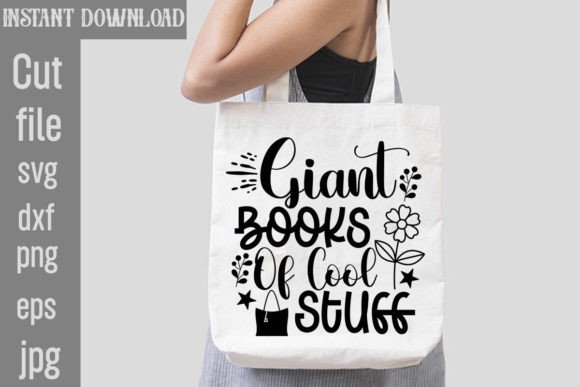
Let's imagine a practical scenario: You are an Etsy seller preparing a batch of custom embroidered tote bags for an upcoming craft fair. You decide to use the Random Useless Stuff SVG Cut File as the central motif. The playful theme fits perfectly with the casual, everyday utility of a tote bag. When converting the SVG File for Cricut or DXF File for Silhouette into a format your embroidery machine understands, you must consider the hoop size. While the file formats suggest versatility, the physical dimensions of the design dictate where it can go.
If you place this design on a sweatshirt embroidery project, the bulk of the garment works well with the slightly larger scale of the "useless stuff" items. The soft cotton fleece allows for a bit more stitch density without causing the fabric to pucker excessively. However, if you were attempting this on a structured item like a cap, the curved surface could distort the geometric elements of the design. On a flat surface like a pillow cover or a kitchen towel, the design shines. The contrast between the mundane subject matter and the high-quality finish creates a unique product value that customers love.
For baby embroidery, this design offers a fun twist on nursery decor. Imagine a onesie featuring a tiny, stitched representation of a "useless" object—it’s quirky, memorable, and highly giftable. The PNG File Transparent Background, 300 Dpi is excellent here for creating printable mockups to showcase the finished product in your online shop. High-resolution previews help buyers visualize exactly how the thread colors will pop against the fabric, building trust before they make a purchase.
Navigating Technical Challenges and Fabric Choices
Despite its charm, the Random Useless Stuff SVG Cut File requires careful handling in certain situations. One major consideration is fabric texture. If you attempt to stitch this design on a heavy canvas or a loosely woven linen, the intricate parts might get lost in the weave. A stabilizer is non-negotiable here; using a cut-away stabilizer for stretchy fabrics or a tear-away for stable knits will ensure the finished product maintains its integrity after washing.
Another area of caution is dark fabric. The design relies on clear definition, so if you are embroidering on black or navy material, you may need to add a layer of white underlay or choose lighter thread colors to maintain visibility. Without sufficient contrast, the whimsical details could become muddy. Additionally, avoid placing this design in areas of high stress, such as the center of a frequently washed apron or the pocket of a denim jacket, unless you secure the edges with a dense fill stitch. Frequent washing can cause loose threads to unravel, especially in designs with many small, disconnected elements.
When working with small hoop sizes, you must evaluate whether the design scales down effectively. Some of the "useless" items might lose their character if shrunk too much. Always check the minimum recommended size in your digitizing software. If the details become too small, the machine might struggle to catch the thread, leading to skipped stitches or breakage. In such cases, simplifying the design or choosing a larger application area is the professional choice.
Strategic Value for Craft Businesses and Commercial Projects
For commercial embroidery and small business owners, the Random Useless Stuff SVG Cut File represents a versatile asset. It appeals to a demographic that values humor and individuality, making it ideal for boutique branding or limited-run merchandise. The ability to offer a personalized gift with such a unique theme sets your shop apart from competitors selling generic floral or text-based designs.
However, before selling any handmade product featuring this design, you must confirm the licensing terms. Since this is a DIGITAL DOWNLOAD ONLY package, ensure you have the right to sell items created with the files. Many designers allow personal use but restrict commercial sales without an upgrade. Clarifying this protects your business from legal issues and ensures you can confidently list your products on platforms like Etsy or at local markets.
To maximize the appeal of your listings, use the included PNG File Transparent Background, 300 Dpi to create stunning digital product previews. Show the design on different backgrounds—light wood, marble, or plain white—to demonstrate its versatility. Highlighting the quality of the machine embroidery design through clear imagery helps justify a premium price point. Customers are willing to pay more for a well-executed, thoughtfully designed piece that stands out.
Final Designer Notes and Recommendations
In conclusion, the Random Useless Stuff SVG Cut File is a delightful addition to any Crafts collection, provided it is used with intention. It excels on flat, stable fabrics like tote bags, pillow covers, and sweatshirts, where its playful theme can truly shine. To ensure success, always test the design on scrap fabric first, paying close attention to stitch density and thread tension. Verify that your hoop size accommodates the full scope of the artwork without distortion.
Remember that the transition from a digital embroidery file to a physical object involves variables like fabric weight, stabilizer type, and thread quality. By taking the time to prepare properly, you can transform a simple graphic into a high-value, customer-loved product. Whether you are a hobbyist making gifts for friends or a small shop owner scaling your inventory, this design offers a fresh perspective that resonates with today's creative consumers. Just remember to respect the license, test thoroughly, and let the thread do the talking.